
ESPHE Student Bios
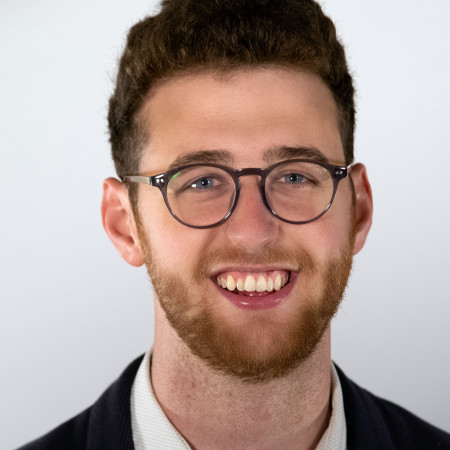
My research focuses on democratic education and educational ethics in international and comparative contexts. I explore how educators navigate questions of justice, identity, and care in their practice, with particular attention to the implications of this work for teacher education.

My academic work focuses on the interaction between society, culture, and education. Specifically, in how literature, language, and art transmit or reproduce knowledge and values. I also explore the social and educational conditions necessary for lifelong learning and the development of individual intellectual pursuits. To do so, I draw on continental philosophy, aesthetics, philosophical anthropology, and the works of Russian philosophers and psychologists.

Informed by my work in special ed, I investigate education on the edges, during family upheaval and societal transition. I ask how communities invest in their future when that future is more uncertain than usual. As institutions and traditional pathways for learning are co- opted or disintegrate, which knowledges do these communities prioritize? How do they integrate new ideas and technologies with previous understanding? How do intervals of societal breakdown either reform or further devolve institutional practices of education, on the other side of stabilization and rebuilding?

Through study of political philosophy and educational ethics, I seek to transform schooling into a more inclusive and just system by promoting dignitary safety, the flattening of hierarchy, intellectual freedom, and equitable collaboration among students, families, and educators.
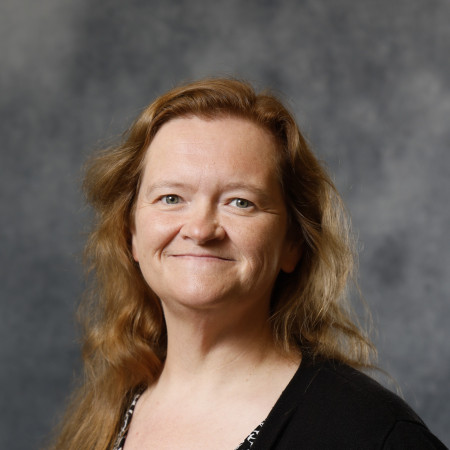
I am interested in the role of libraries as educational institutions, rather than book depositories, and also the role of librarians as educators and faculty members. In my regular role, I am an associate professor and Teaching & Learning Engagement Librarian in the University Libraries at Ohio State.

My research examines the history of 19th century American education, focusing on the emergence and development of early public schooling. I use historical, philosophical, and socioeconomic perspectives to investigate how structural racism and social class shaped the foundations of the U.S. educational system. I am particularly interested in how these factors collectively influenced the origins of educational inequality and institutional structures.
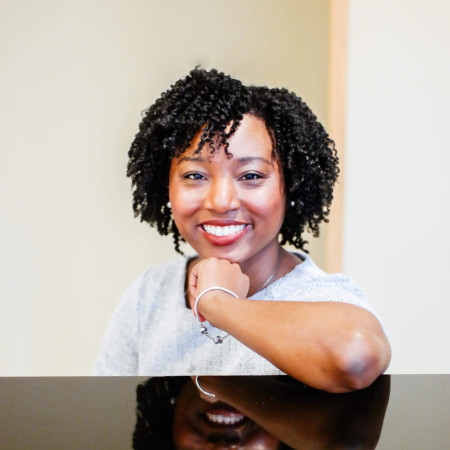
My academic research includes educational ethics, higher education policy, and the aims of higher education. I have a specific interest in exploring institutional responses to injustice through formal and informal policies and practices.
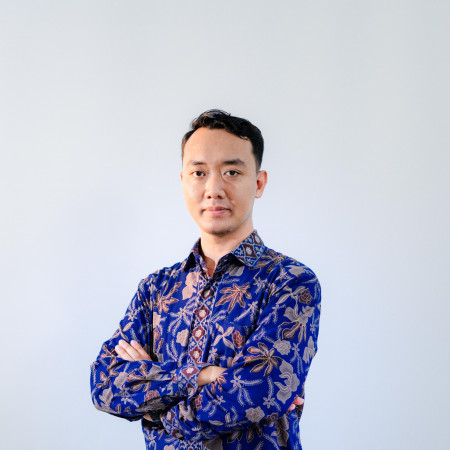
Historical novels, inclusivity in museums, cultural heritage, and gender equality for teaching history in Indonesia.

My work tends to center around the role that religion (and other identity-based moralities) has played and ought to play in educational spaces. I also find myself drawn to past and present conversations that comment on what we consider to be public/private, religious/secular, or "common sense."

Sally is a Ph.D. candidate in Philosophy of Education studying conceptual engineering in U.S. higher education. Her research examines how intentional conceptual change shapes public trust and the trustworthiness of public universities. When she’s not writing, she creates ceramic sculptures or bikes the Olentangy Trail.

I’m broadly interested in civic education and in the particular role of pedagogy, as a practice, in the replication of civil society within liberal democracies. My work synthesizes theory (the work of GWF Hegel, John Dewey and Jean Jacques Rousseau) and practice (mine and others’ experiences as social studies educators).
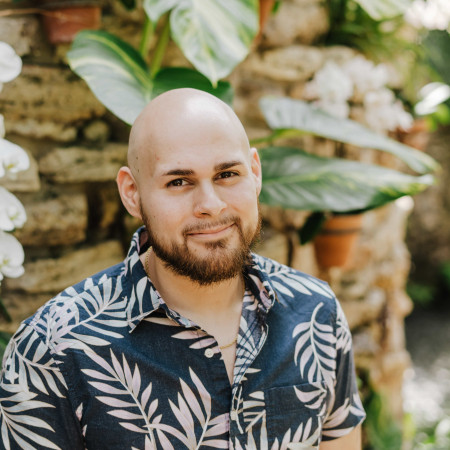
I’m interested in the Ethics of Parenting, Book Banning and Censorship, Educational Ethics, Democratic Education, and the Ethical and Normative Implications of Educational Policy.