Nutritionists offer their tips on slashing your grocery bill — simple ways that will make you healthier and might just trim your waistline
Your supermarket trip is nearing its end, and the time has come for the reckoning. The register flashes prices, and you’re cringing. Maybe you shouldn’t have bought the pricey seltzer. Maybe you can ditch the chips right there in the check-out lane.
What you buy in the store matters, say Ohio State nutrition and wellness experts. Highly processed foods, sugary treats and refined carbohydrates can be costly and offer little nutrition.
But here’s the surprising truth that food bloggers and influencers can miss: How you manage your food at home will save you as much or more than thrifty shopping.
Our experts offer a plan to save a lot of dough on foods that will improve your health and help trim your waistline.
Make your cart reflect your ideal plate
“If half your plate is going to be fruits and vegetables, half your grocery cart has got to be fruits and vegetables,” said Carol Smathers, associate professor and field specialist for Ohio State University Extension.
She does presentations sharing how she and her husband spend just $2 per meal, per person.
Consider the average costs of these healthful groceries:
- Healthy whole grains, including bread, rice, oats: 15 cents to 25 cents per serving
- Vegetables: fresh, canned and frozen: 20 cents to 40 cents per serving
- Fruits: fresh, canned and frozen: 30 cents to 50 cents per serving
- Eggs, beans or lentils: 25 cents per serving
- Meat, including poultry, frozen and canned fish, some pork but excluding current prices for ground and specialty beef: 75 cents to $2.15 per serving
Finding nutritious, inexpensive meat can be trickier, said Sanja Ilic, associate professor of human nutrition and a food safety specialist in the College of Education and Human Ecology.
“If you're throwing a party and you have a choice between a hot dog and a wholesome piece of meat, the hot dog is going to be a lot cheaper,” she said, but “not necessarily the most healthful choice.”
Sticking to whole, unprocessed foods, preparing them yourself and buying economical animal-sourced proteins can cut your food bill substantially.
“If people are into eating plant proteins or adding plant proteins to the animal-source protein, that would help with cost or stretch their food dollars,” said Irene Hatsu, associate professor of human nutrition and a food security specialist.
“When you put those building blocks together, those puzzle pieces … it’s still coming out to $2 a meal,” Smathers said.
Right-size your portions
As restaurant food portions doubled and even quadrupled through the 1980s an '90s, Americans ate more at home, too.
“If you look at the Western countries, the United States might have the highest portion sizes,” said Hatsu. “What we consider a medium or a small here is a large in Europe. And so, our portion sizes are already big to begin with. Cutting back might not be a bad thing, and we wouldn't necessarily be starving ourselves.”
The U.S. Food and Drug Administration has done the calculations for you: Just follow serving sizes on the label or learn to assess serving sizes of foods without labels. Only cook what you need or put half in the fridge for tomorrow. And don’t go back for seconds.
“A plate full of food is dinner or is lunch, but we don't get a second plate,” Smathers said. After she right-sized her portions in 2018, she lost 22 pounds — and kept it off.
“All of my biometric numbers improved, just by cutting the cost of my meals,” she said. “I didn't set out to change that. I just set out to spend less money.”
Buy what you need, but need what you buy
Here’s a test of your purchasing prowess. Go to the fridge; read the expiration dates and check what’s gone bad in the produce drawer. Each year, the average American family of four loses $1,500 in food they throw away, according to the U.S. Department of Agriculture.
“I tell people, there's no magic formula,” Smathers said. “Buying less food costs less, and if you're throwing out half the loaf of bread, you just doubled the cost of every slice that you eat.”
“It’s about right sizing the amount that you buy each week and then managing what you do buy,” she said.
If you purchase vegetables or fruits that go bad quickly, work those into your meals sooner. In fact, Hatsu often buys discounted produce that only has a day or two of shelf life left.
“I buy that … cook it and then portion it out for the week,” she said. “You can stretch your food dollars that way … preparing your meals and portioning them so that the raw materials themselves do not go bad.”
Freeze meats, half the bread loaf and even prepared meals until you can eat them. Then, don’t go back to the store again until you’ve eaten all the meals for which you purchased food, Smathers said.
“Towards the end of (the) week, we're looking ahead a day or two and thinking, ‘Okay, what do we have left? How are we going to piece this together?’” she said.
“We make sure we use everything up that way. I always know what I have on hand, and I usually have not that much food on hand.”
She only spends $42 per person each week on all the meals she and her husband eat.
Crunched for time? Don’t make it complicated
If groceries are pricey, it’s no surprise that a meal costs even more in restaurants. Full-service restaurant meals increased by 4.6% in February over the previous year, according to the Bureau of Labor Statistics. Cooking at home remains the best value.
Still, working parents, college students and the elderly aren’t just pinched for food dollars. They sometimes lack the time and energy to cook.
“Start with the easy stuff; it doesn't have to be gourmet,” Smathers advises.
“When you're cooking some pasta and pouring some marinara sauce out of a jar, you're cooking at home,” she said. “When you're mixing up an egg and some milk and throwing a piece of bread in and cooking in a pan, you're cooking at home.”
- An economical, jarred sauce can make a meal out of any protein source.
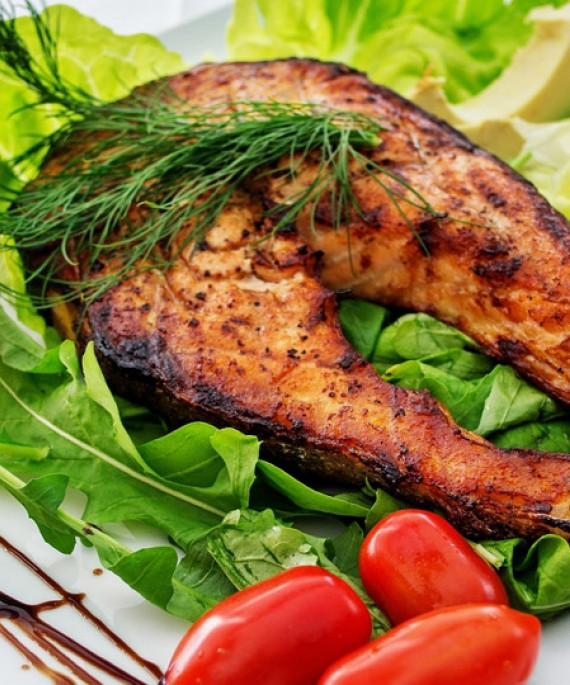
- Also, a few key ingredients also can make versatile sauces, Ilic said. “I go for soy sauce, and then grind some ginger and garlic, and there you go.” A little poached chicken or baked fish, some salad greens … and dinner is served in 20 minutes.
- Substitute what you have on hand. Don’t have sesame oil? Use any oil you have, Smathers said. Canned meats and frozen vegetables can substitute for fresh.
- Set aside time on weekends for meal prep, Hatsu said. Chop vegetables, for example, or prepare sauces and keep them in the fridge or freezer. “Then when you need them, they are right there.”
If you prefer organic, choose it wisely
All food sold in the United States must meet government safety standards limiting the amount and kind of chemicals, hormones and antibiotics used to produce it.
“We're still lucky to be living within the realm of regulations that are fairly strict when it comes to chemicals that go into our foods,” Ilic said.
You’re not putting yourself or your family at risk, Ilic said, if you don’t buy organic, which is on average 53% more than conventionally produced food. But if you prefer eating foods produced without synthetic chemicals, it pays to be informed about which ones to buy.
The Environmental Working Group each year researches which conventionally grown produce has the most pesticide residues, then publishes its findings.
The Dirty Dozen list includes fruits and vegetables tested with the highest levels of pesticides, in descending order. If you prefer organic, these might be worth the money: Spinach; strawberries; kale, collards and mustard greens; grapes; peaches; cherries; nectarines; pears; apples; blackberries; blueberries; potatoes.
The Clean 15 contain the least amount of pesticide residue, in descending order. If you want to save money, consider buying these conventionally grown fruits and vegetables: Pineapple; sweet corn (fresh and frozen); avocados; papaya; onion; sweet peas (frozen); asparagus; cabbage; watermelon; cauliflower; bananas; mangos; carrots; mushrooms; kiwi.
What’s in the shopping cart?
Smathers bought these foods for Jan.1-Jan. 14 this year. The total cost for 84 meals was $167.91.
Grains: Brown rice, oats, whole grain and sourdough bread, whole wheat flour, organic whole grain spaghetti, corn tortillas
Protein/dairy: Chicken breasts, shrimp, trout, two dozen eggs, canned beans (garbanzo, black and kidney), lentils, peanut butter, pecans, peanuts, milk (two gallons), butter, yogurt, cheese
Vegetables: Onions, olives, carrots, celery, zucchini, cucumber, green peppers, organic spinach, sweet potatoes, frozen peas, frozen corn, broccoli, canned tomatoes, tomato sauce and paste, cherry tomatoes, avocados, ginger root
Fruit: Lime, lemons, grapes, apples, bananas, pineapple, blueberries, frozen mango, frozen strawberries
Sauces, other ingredients: Soy sauce, honey, marinara, fruit spread, extra virgin olive oil, vegetable broth
Extra: Chocolate, coffee
Read Carol Smather's $2 Tuesdays blog on eating well for less.