Faculty Emeritus Earl Harrison, human nutrition, shares his expertise at the annual Legacy Lecture.
Innovation and insight: Undergraduate and graduate students shine
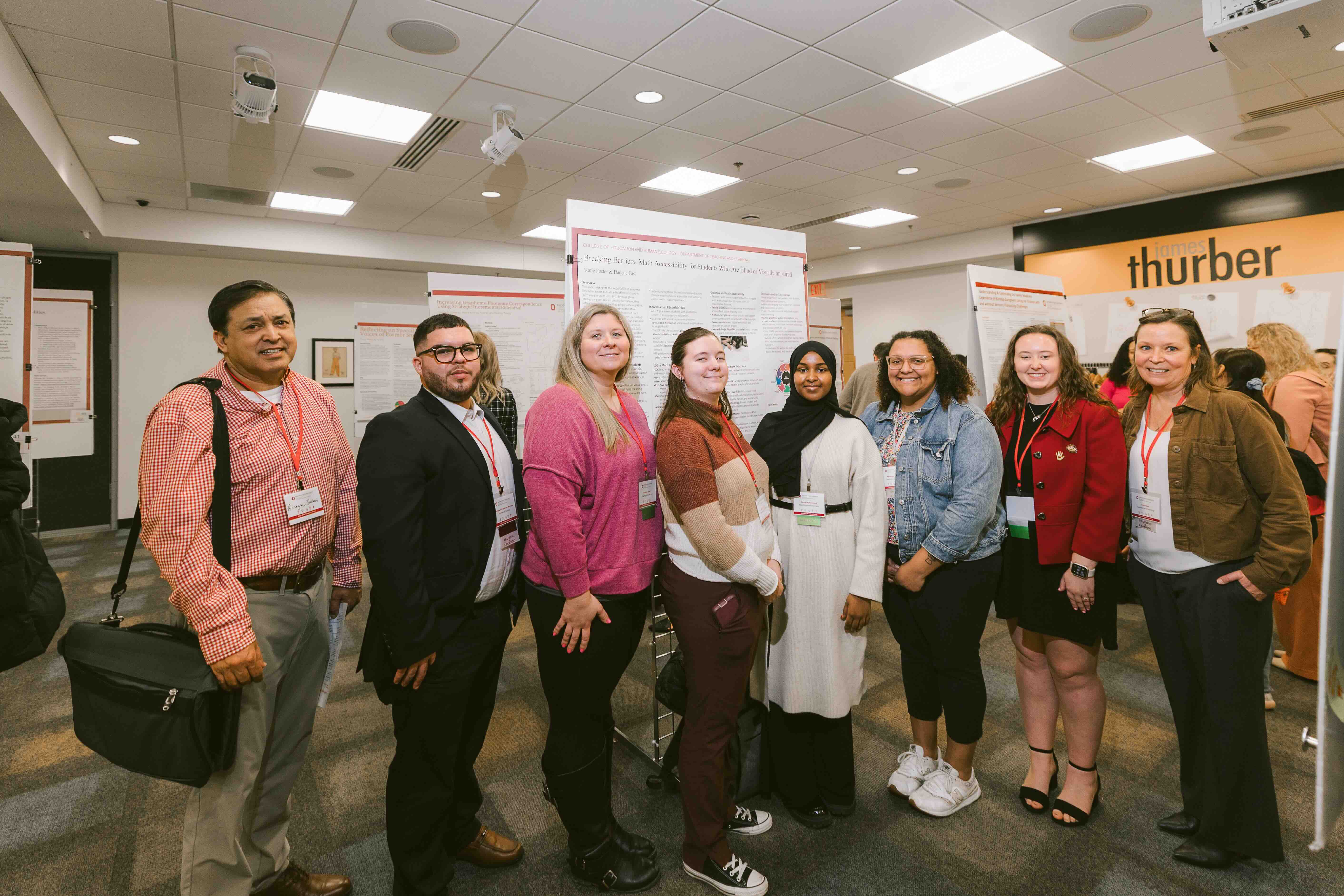
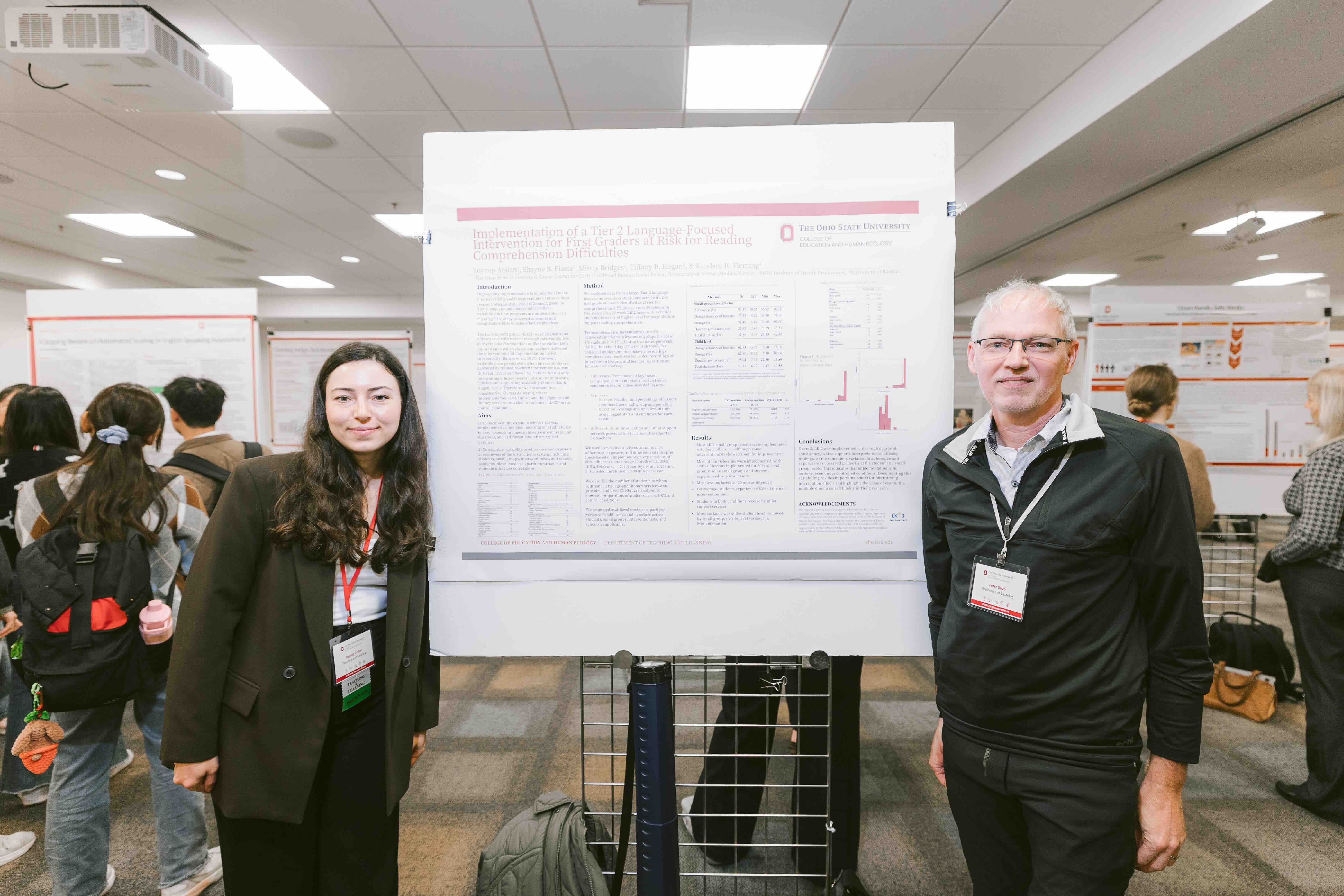
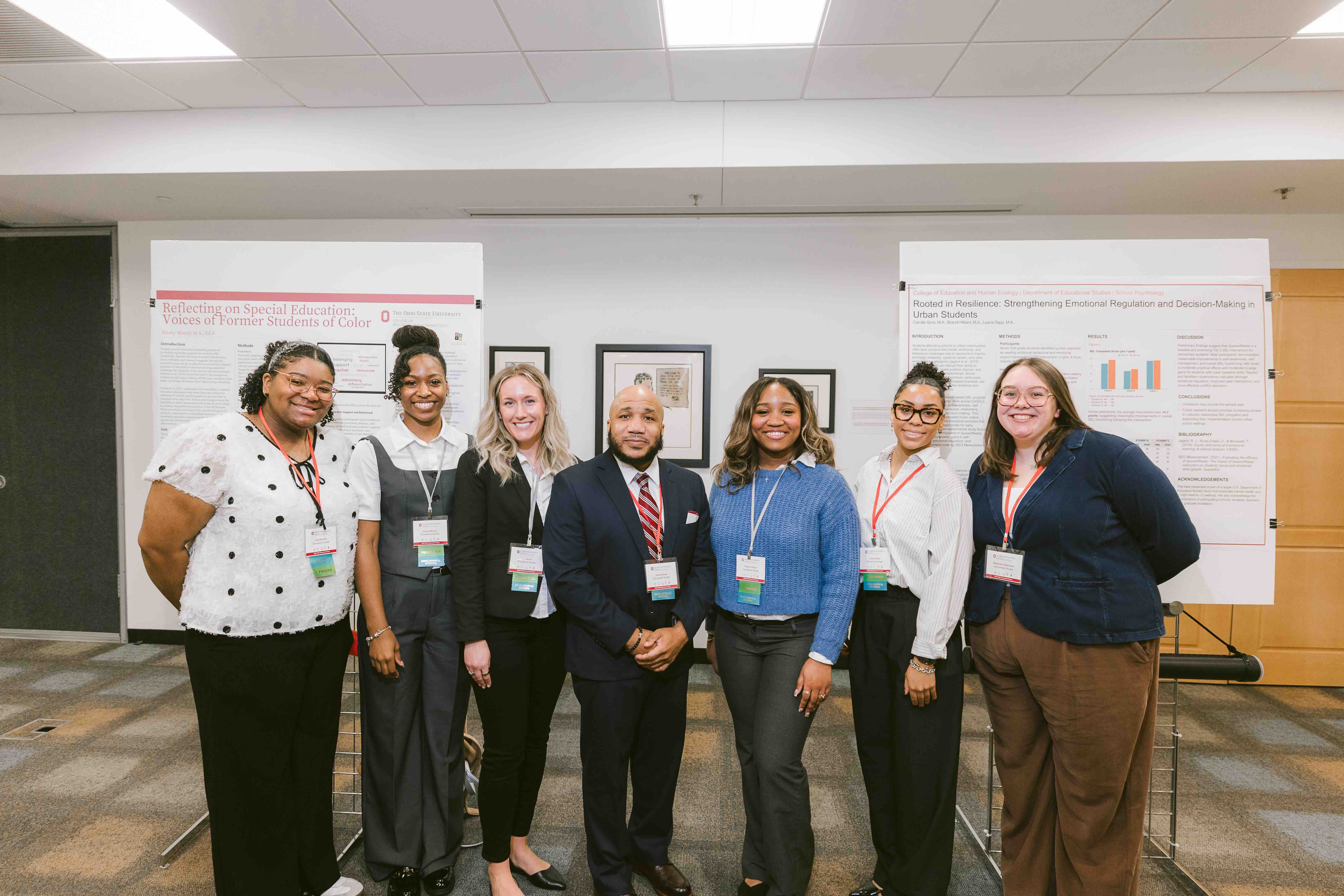
All students conducting research with their faculty mentors were invited to present it at the College of Education and Human Ecology’s annual Research Forum during Experience EHE Week. The event, which included the annual Legacy Lecture, was held recently at the Ohio Union.
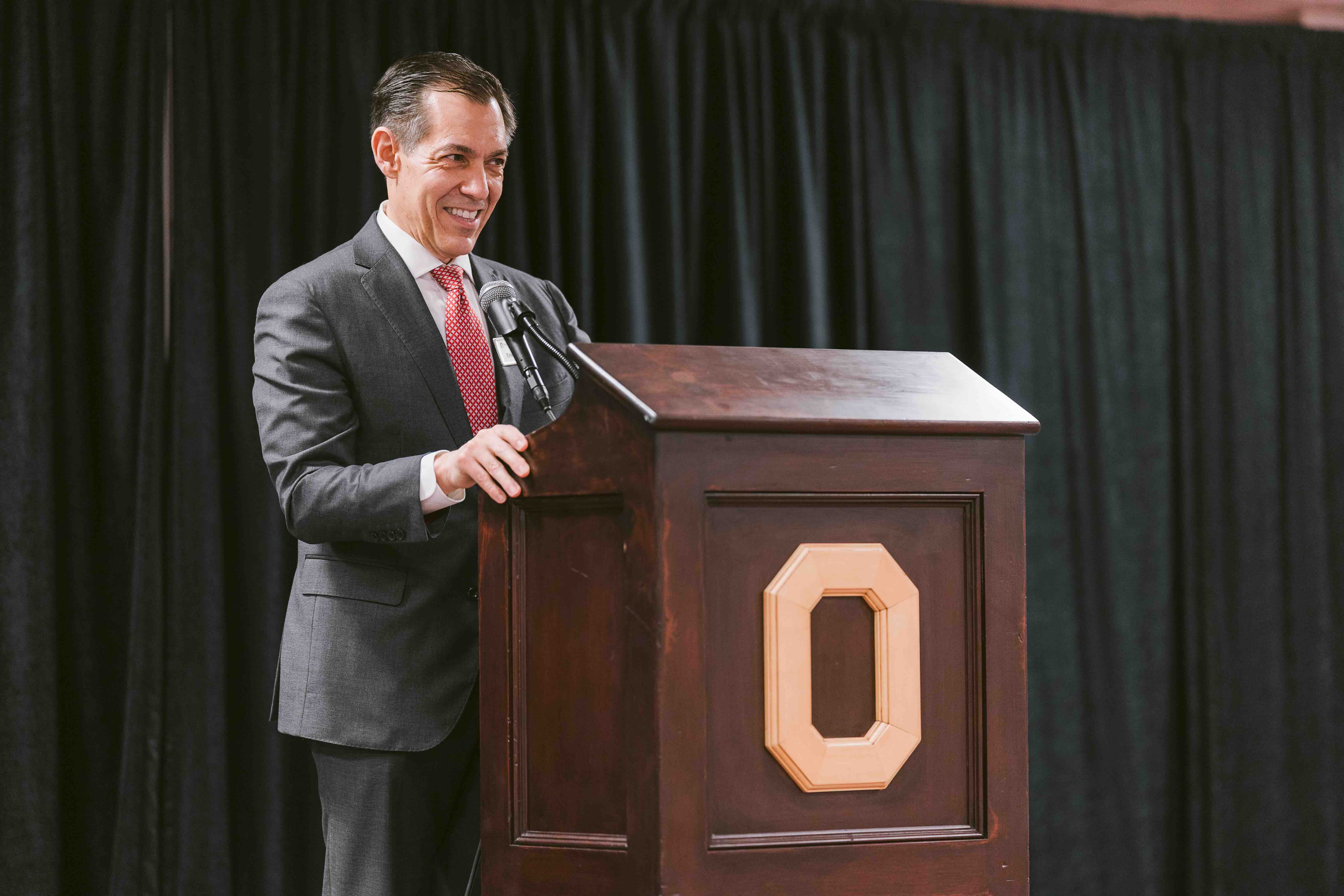
“Today has been around centering and celebrating our students and the work that they do with our faculty and staff to advance their scholarship,” said the college’s Interim Dean Erik Porfeli. “It’s about the future of our disciplines as reflected in the great work of our students and the support they receive from our distinguished faculty and great staff.”
In his keynote address, Porfeli spoke about the importance of forming connections with colleagues to foster a collaborative atmosphere and advance research projects.
“Ultimately, it’s relationships that are the most important,” he said. “You can certainly have a very impactful research agenda, but if it’s devoid of the human dimension, I would encourage you to do something more, go beyond that.”
Throughout the event, both undergraduate and graduate students presented research in oral presentations and poster displays.
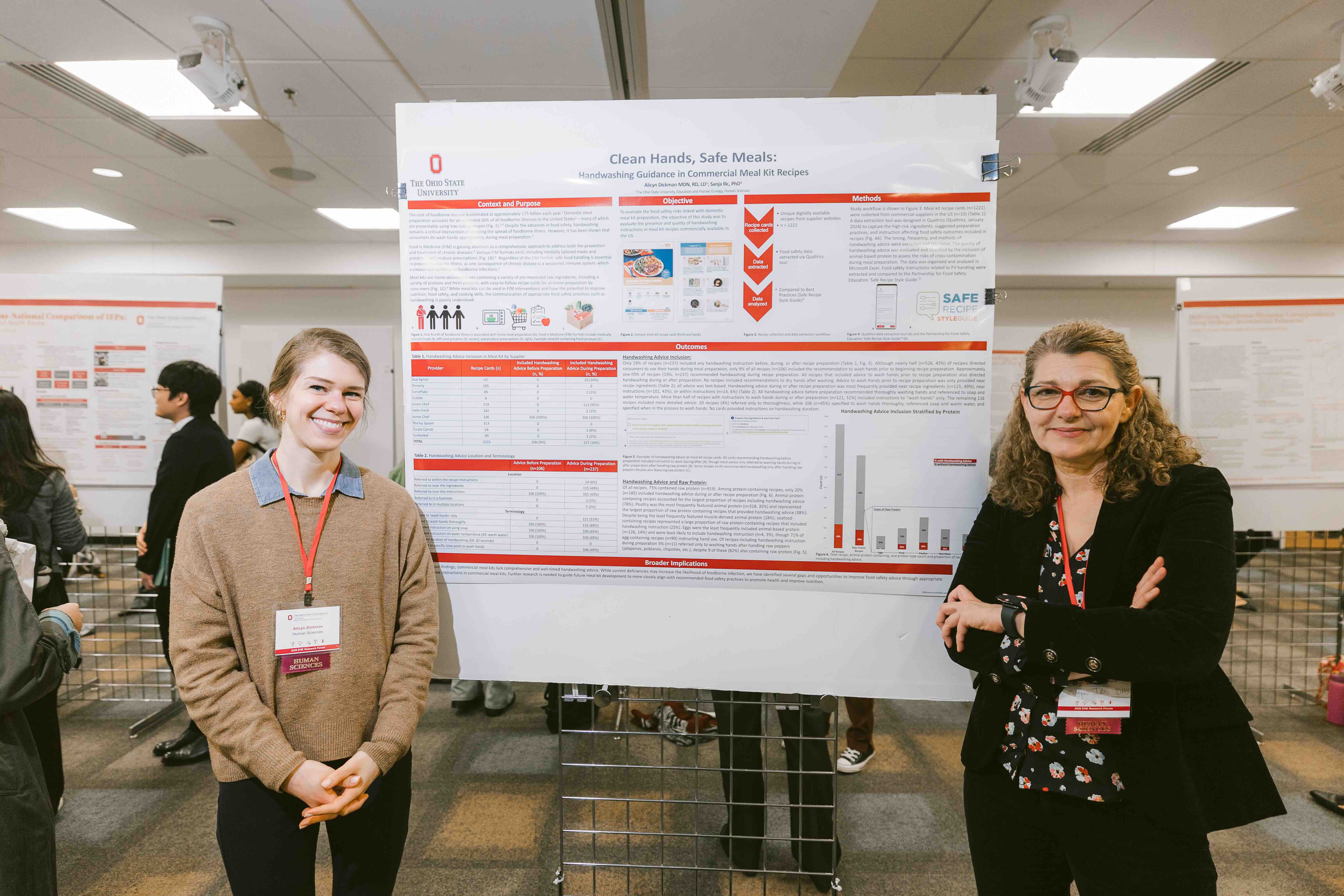
Alicyn Dickman, a graduate fellow in the nutrition program, researched methods to improve the safety of commercial meal kits and prevent foodborne illnesses.
“We have collected a series of recipes and assembled a really large recipe database,” she said. “One of the most effective and simple food safety interventions is hand washing.”
Dickman’s research found recommendations for hand washing are seldom included in meal kits’ instructions.
“We thought we would analyze that,” she said, “and then use that information to provide recommendations for the industry.”
Ashley Simon, a graduate student in fashion and retail studies who has worked in the retail industry, conducted research into consumer brand loyalty related to blue jeans.
“A lot of times in retail companies when we make decisions, they’re not always with a deep understanding of what the customer values,” she said. “An item that typically has a high degree of emotional attachment, like your favorite pair of jeans, really was the genesis of my idea.”
Simon surveyed consumers about their favorite jeans, from affordability to wearability.
“What was interesting is the early findings really show it’s about quality,” Simon said. “In the willingness to pay and [emotional] attachment, quality was the number one trait that created a difference.”
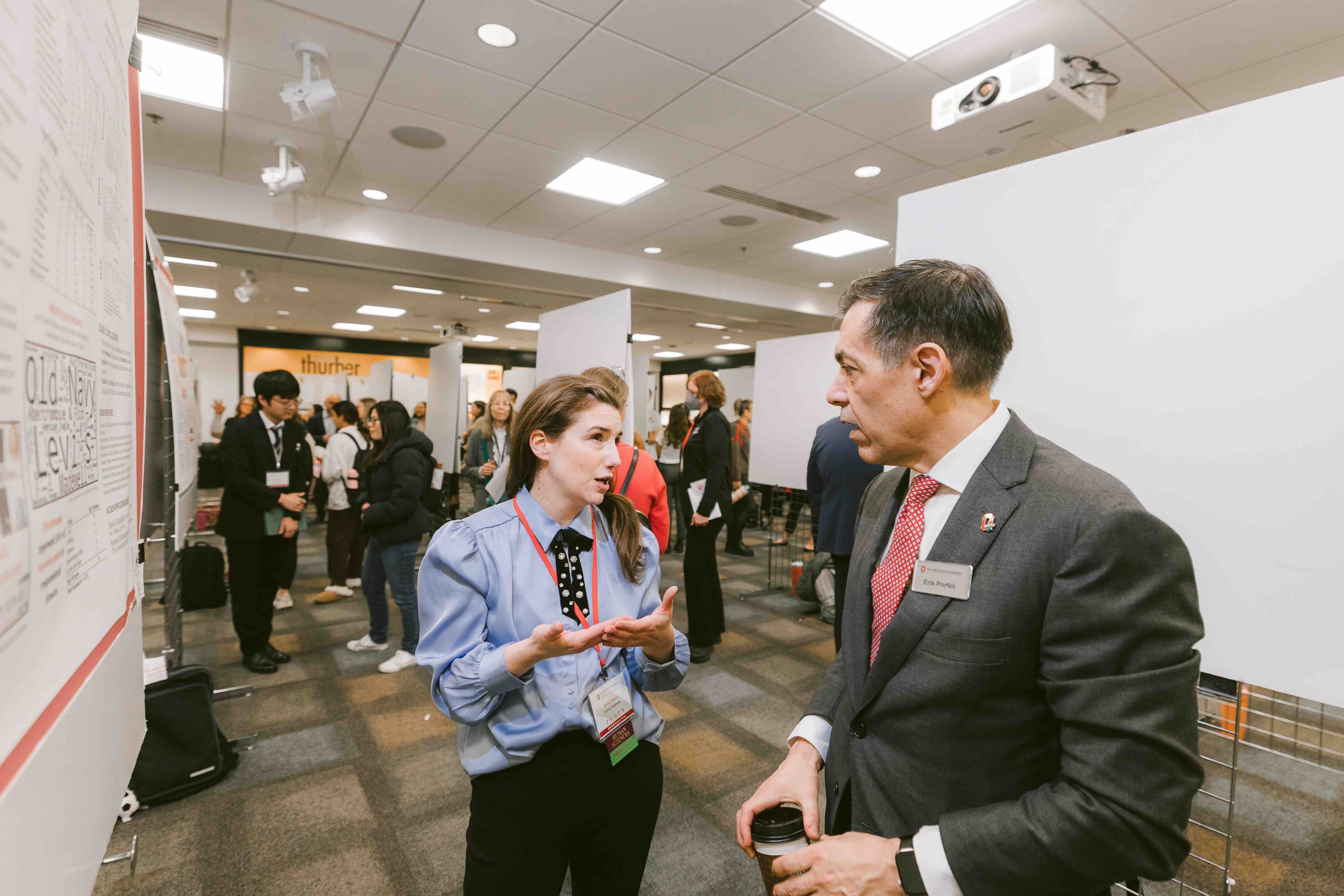
Annual Legacy Lecture shares wisdom of retired faculty
During the Legacy Lecture, Porfeli led a conversation with Earl Harrison, professor emeritus of human nutrition, Department of Human Sciences, and Patti Lather, professor emerita of educational policy and qualitative research, Department of Educational Studies.
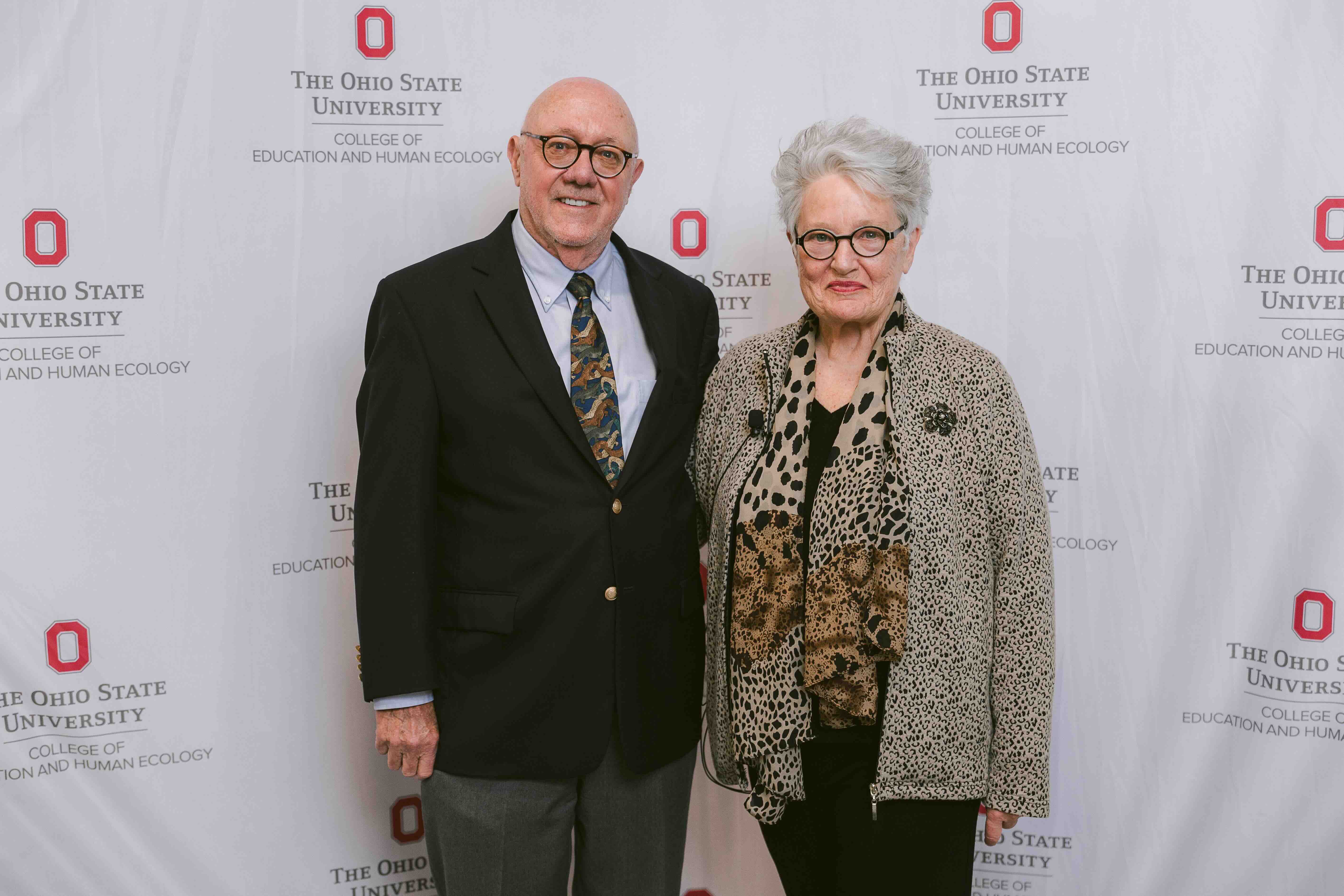
Both retired faculty offered advice to researchers on how to advance in their fields. Harrison said researchers should learn as much as they can about each aspect of their disciplines and collaborate with colleagues who can help broaden their knowledge.
“Whatever your niche is, try to get good at maybe the next [level] up and the next one down and then cultivate colleagues and collaboratives … because you’re not going to ever be good at everything,” he said. “If you need [to reach] a level that you yourself are not good at, make sure you identify people who are, and then try to emulate them or have them teach you.”
Lather advised researchers to explore interdisciplinary research, which can expand one’s overall knowledge base.
“You don’t have to do every discipline, but what you have to do is more than one,” she said. “Generally speaking, pick three. … Track how the ideas travel the same or differently across those three and then see what you’ve got.”